






















H
aven’t you stumbled upon a reel where someone talks passionately about wellness, anxiety, or self-empowerment, often in under a minute? These posts can feel relatable, inspiring, and easy to share. In recent years, mental health topics have gained unprecedented visibility on social media. Platforms like TikTok, Instagram, and Facebook are filled with posts about therapy, self-care, and psychological terms that once belonged only to academic or clinical settings. For many, this increased accessibility is a sign of progress, an openness that reflects years of work to reduce stigma around mental health.
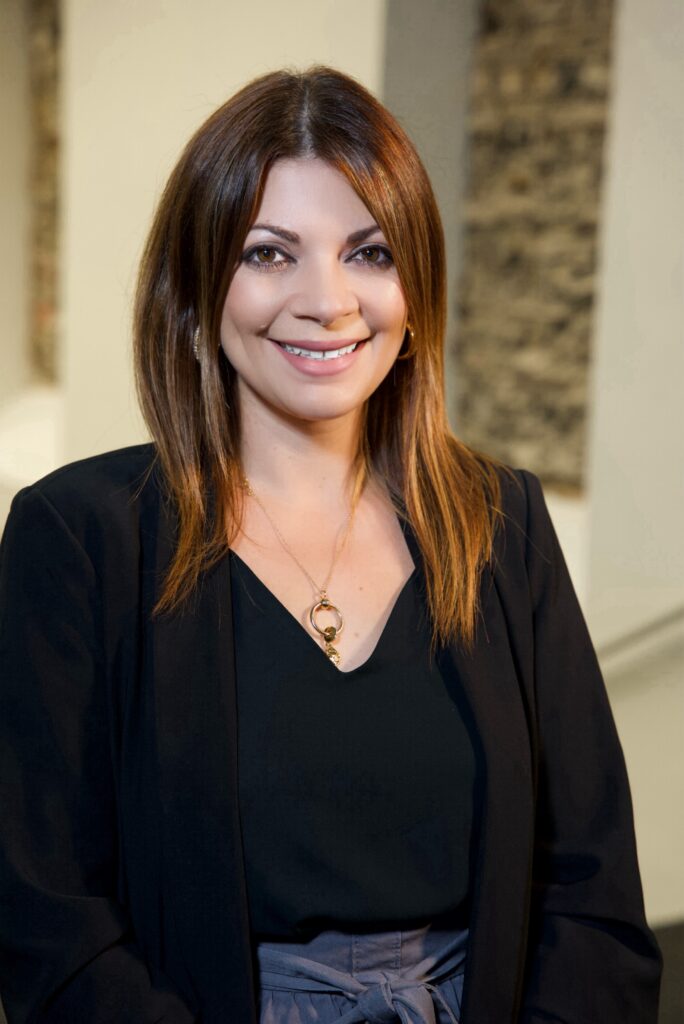
But as mental health professionals point out, the trend is not without its risks. Dr. Arlene Vélez, Undergraduate Studies Director at Albizu University in Puerto Rico and Co-Founder of the Cyberpsychology Research Lab, and Dr. Eli Fennell, Co-Director of the Center for Institutional Scientific Research at Albizu University Miami, addressed the double-edged sword of this type of social media content accessibility.
“The problem is that most people don’t know who the real experts are.”
According to Dr. Vélez, one of the clear benefits of social media’s mental health boom is that people feel less alone. “They feel like I’m not the only one experiencing (this). So there’s a sense of connection with others,” she says. However, this connection can be misleading if it’s built on inaccurate or oversimplified information. Therapy is not a one-size-fits-all process, and many creators offering advice are not qualified mental health professionals.

Dr. Fennell agrees, noting that the online environment blurs the lines between credible experts and popular influencers. “The problem,” he says, “is that most people don’t know who the real experts are. You (might end up following someone) with no background in psychology, or someone chasing fame more than accuracy.” Another concern is the “self-diagnosis culture” emerging among younger audiences. While openness about mental health is positive, Fennell warns that casually adopting labels without proper assessment can distort understanding of serious conditions and, in some cases, justify unhealthy behaviors.
Both experts stress the importance of verifying credentials. Social media audiences should look for professionals who clearly state their qualifications and affiliations. However, Fennell notes that even this step can be tricky, as some individuals use degrees from unaccredited institutions or fail to follow professional ethics. Beyond individual responsibility, Fennell argues for greater accountability from the platforms themselves. Just as social media once verified notable public figures, there could be systems to identify credentialed mental health professionals online. Vélez adds that professionals themselves must also take the initiative, using these same platforms to share accurate, accessible information.
“Therapy is a process that involves a lot of work.”
Social media has given rise to what Vélez calls “therapy speak,” where psychological terms enter everyday language, sometimes inaccurately. She and Fennell identify three commonly misunderstood terms:
- Trauma: Often used interchangeably with stress, true trauma involves deeply distressing experiences that deplete a person’s coping resources. While it’s important to validate feelings, understanding the difference helps people better describe and address their challenges.
- Gaslighting: In online conversations, this is often reduced to “someone disagreed with me.” In reality, it’s a calculated effort to make someone doubt their perception of reality, often through systematic manipulation.
- Narcissism: Frequently used to label ex-partners after breakups, narcissism in the clinical sense refers to Narcissistic Personality Disorder, a diagnosis affecting a small percentage of the population. Most failed relationships have more to do with incompatibility than with personality disorders.
Social media can offer tips and encouragement, but it’s not a replacement for therapy. Vélez advises seeking professional help when symptoms interfere with daily functioning—such as persistent inability to get out of bed, overwhelming anxiety, or thoughts of hopelessness. Fennell adds that lacking a strong personal support network is another sign that professional guidance may be necessary sooner rather than later.
For psychologists and counselors creating content, both experts emphasize starting with the basics: know your ethics code and state regulations. Distinguish between psychoeducation (general mental health information) and therapy (personalized treatment). Avoid oversharing personal details, and steer clear of sensationalism or “magical” promises of quick healing.
Dr. Eli Fennell also cautions: “There’s a particular temptation for students and young professionals who have grown up in the era of the influencer to springboard into fame, and it can cause them to overlook the risks of prioritizing popularity over professionalism.” He adds that one ill-considered post could jeopardize future opportunities, from internships to postdoctoral placements.
Social media has the power to expand mental health awareness like never before—but it also requires discernment. As Dr. Vélez reminds us, “therapy is a process that involves a lot of work, and it doesn’t come with a magic solution.” Both audiences and professionals have a role to play in ensuring that the conversation is grounded in ethics, accuracy, and empathy.