















I
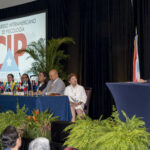
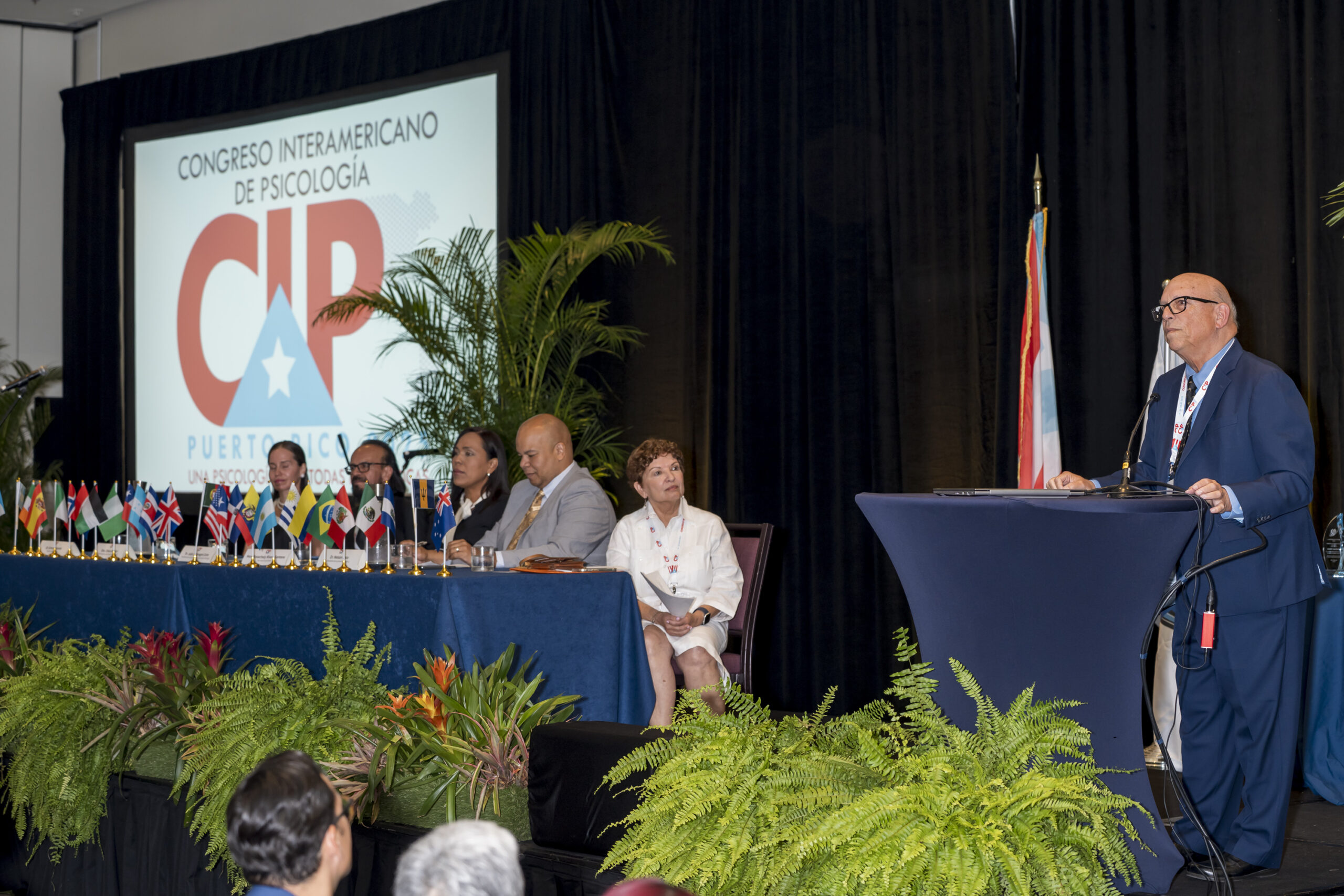
n the height of the Puerto Rican summer, hundreds of human behavior professionals and students in training gathered on the tropical island, not simply to enjoy the season, but to advance an international agenda of collaboration. The 40th Interamerican Congress of Psychology, organized by the Interamerican Society of Psychology (SIP), brought together more than 1,350 psychology professionals from 26 countries for a week defined by academic exchange, innovation, and the strengthening of global networks. Dr. Blanca Ortiz-Torres, Professor Emerita at the University of Puerto Rico, community psychologist, collaborator of Albizu University, and co-coordinator of the event, reflected on the most significant moments of the Congress, the lessons learned, and the lasting impact of this landmark gathering.
“The Congress exposed our psychologists to a wide variety of innovative research and projects.”
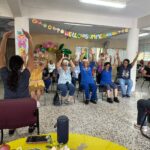
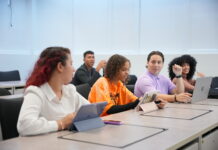
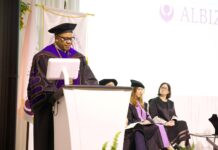
For a week, participants from the Americas, Europe, Asia, and Australia attended workshops, keynote lectures, and thematic sessions centered on the Congress’s central themes. The event also created informal spaces for meetings and collaboration, paving the way for future joint projects. “The Congress exposed our psychologists to a wide variety of innovative research and projects that contribute to keeping their knowledge and expertise current,” Ortiz-Torres explained. Together with Dr. Sonia Cepeda, she led the successful proposal for Puerto Rico to host the Congress and, with Albizu University as the primary sponsor, coordinated the event’s complex logistics. Selecting just three highlights of the Congress proved difficult, but Ortiz-Torres grouped several key moments to emphasize their impact.
First, she pointed to the approach to gender-based violence, highlighted by a pre-congress workshop on its neurological implications for victims. Led by a professor from the University of Granada, whose decade-long research has influenced national policy in Spain, the session addressed a virtually unexplored field in Puerto Rico. It sparked discussion on how to incorporate these findings locally. Second, she noted the series of eight keynote lectures, which opened debate on topics such as climate change, migration, transdisciplinarity, the perception of time and happiness, and the decolonization of psychology. Finally, she emphasized the overwhelmingly positive feedback from participants, including over 650 international attendees who were able to experience Puerto Rico’s cultural and professional psychology landscape, with Albizu University playing an active role in its development.
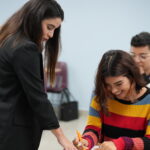
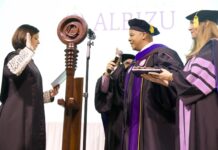
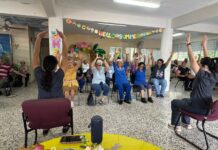
Dr. Ortiz-Torres identified three key takeaways for the future. First, the Congress proved Puerto Rico’s ability to successfully host high-caliber international events, with Albizu University providing vision, commitment, and resources in coordination with the SIP. Second, she underscored the importance of inter-institutional collaboration among universities, government agencies, and private organizations. Lastly, and perhaps most significantly for Albizu University, was the exceptional commitment of students. “Seeing the joy on their faces as they spoke with psychologists from Australia, Palestine, India, Norway, Spain, and Latin America was one of the greatest satisfactions.” Many of these students were among the 150 volunteers who played an active role in the Congress, enriching their academic experience and building professional networks.
“That is the gift of these congresses: expanding networks of collaboration.”
The Interamerican Society of Psychology will oversee follow-up on the Congress’s recommendations and action items. Among these, Ortiz-Torres stressed the need to sustain the momentum generated by strong local participation, estimated at more than 700 Puerto Rican professionals and students, and to broaden connections with psychological currents from the Global South, beyond the U.S.-Puerto Rico region.
Working group sessions also laid the foundation for collaborative research and publishing projects. Opportunities for student and faculty exchanges with universities in Australia, the Caribbean, and Latin America emerged as well, opening doors for Albizu University students to participate in internships and residencies abroad. “That is the gift of these congresses: expanding networks of collaboration and exchange that enrich psychology and our communities.”
The 40th Interamerican Congress of Psychology firmly positioned Puerto Rico as a premier destination for academic events and left a clear roadmap for building alliances, advancing knowledge, and strengthening psychology’s social impact in the region.