















I
magine your neighbor is experiencing an emotional crisis, and you are the first person available to help. Or consider working in a government agency, where you face complex situations every day that require tools beyond your formal training or professional discipline. Scenarios like these are increasingly common, making continuing education not just a formal requirement but a practical necessity.
It is within this context that the Professional Studies and Continuing Education Program at Albizu University offers a training model that combines specialized knowledge with practical application, serving both professionals and active members of the community. Its scope goes beyond maintaining credentials; it is fundamentally aimed at strengthening the ability to respond to today’s social and mental health challenges.

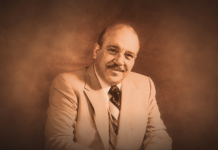
One of the program’s most distinctive features is its broad and diverse audience. While it provides content for professionals who need continuing education credits, it is not limited to them. Manuel Márquez Díaz, program coordinator, explains: “The courses are beneficial for a broad community, from community leaders to your own neighbor. You don’t need a doctorate to be able to help someone in a crisis.” The goal is to extend the reach of learning beyond clinical or academic settings.
The program’s impact is consistent and measurable. Each year, approximately 50 instructors contribute to developing 87 new courses covering more than 100 topics. With in-person, hybrid, and online formats, the program accommodates participants with different schedules and realities. Recorded modules with extended access complement the catalog, as well as courses offered in English.
“You don’t need a doctorate to be able to help someone in a crisis”
Over the past year, the program has also expanded collaborative opportunities. This process has been defined through partnerships with academic institutions, professional organizations, and community entities, enabling greater diversity in both topics and audiences. “The program has undergone a significant transformation, focused on sustainability, collaboration, and community impact,” Márquez Díaz added.
Recent initiatives reflect the program’s evolution, such as its collaboration with the Medical University of South Carolina (MUSC), which enabled the offering of 12 courses at no cost to participants. Additional partnerships include organizations such as ACPOE (including the course Psychological Therapies for Pain Management), the Puerto Rico Association of School Psychology, Albizu’s Graduate Program in Psychological Counseling, and the Department of Correction and Rehabilitation, in collaboration with Casa Albizu, providing training for correctional staff on issues related to sexual abuse.
“Customer service is our greatest strength”
A key differentiator is that the program operates under recognized standards, with approval from the Puerto Rico Department of Health and certification from the American Psychological Association (APA). This adds value to the curriculum and validates both the quality of its content and its relevance for professionals who require continuing education as part of their practice.
Looking ahead, the program will continue to expand its training and collaboration opportunities. Márquez Díaz highlights another defining element of the participant experience: “Customer service is our greatest strength.”
The course calendar is regularly updated at ce.albizu.edu, and registration can be completed online.